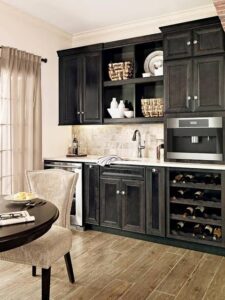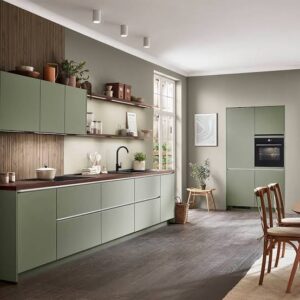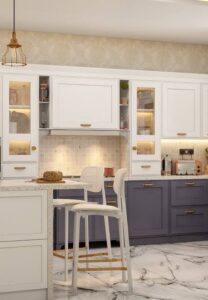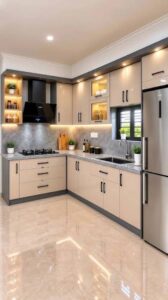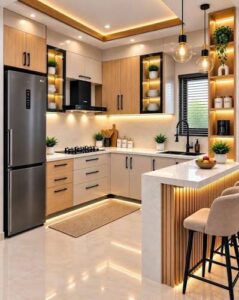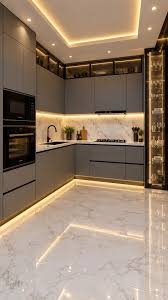
A well-planned kitchen can make a home more comfortable, organized, and enjoyable. It is a central space where families prepare meals, store groceries, and spend time together. Since the kitchen is used for several activities every day, its design should focus on convenience, cleanliness, and efficient use of space. A thoughtfully arranged cooking area can save time, simplify household responsibilities, and improve the overall appearance of a home.
One of the most important parts of kitchen planning is selecting a suitable layout. The arrangement should provide enough room for cooking, washing, and food preparation. Placing the sink, refrigerator, and stove within convenient reach can make everyday tasks easier. Homeowners should also consider the size of their household and their regular cooking habits when deciding on the design.
Storage solutions are essential for keeping the kitchen neat. Cabinets, shelves, drawers, and pantry units provide organized spaces for dishes, cooking utensils, and food supplies. Using separate compartments for different items makes it easier to find what is needed. Pull-out drawers and corner storage systems are particularly useful in kitchens where space is limited.
Countertops and cabinets contribute significantly to the appearance and durability of a kitchen. Materials such as granite and quartz are popular for countertops because they provide attractive and practical working surfaces. Cabinet designs are available in many finishes, allowing homeowners to choose styles that complement their interiors. Selecting quality materials can help reduce maintenance problems over time.
Kitchen appliances are another important consideration. Refrigerators, cooking ranges, ovens, and microwaves support everyday meal preparation. Dishwashers and other small appliances can make household work more convenient. Before purchasing equipment, it is helpful to compare energy efficiency, product quality, size, and available features. Choosing appliances that match the family’s needs can prevent unnecessary spending.
Lighting makes a major difference in kitchen functionality. A bright environment allows people to prepare ingredients and handle cooking equipment more comfortably. Natural light from windows creates a welcoming atmosphere, while ceiling fixtures and under-cabinet lights provide additional visibility. Proper ventilation is equally important because it helps remove smoke, steam, and cooking odors.
Cleanliness is essential for maintaining a healthy kitchen. Countertops, sinks, floors, and appliances should be cleaned regularly to prevent grease and dirt from accumulating. Food should be stored in suitable containers, and refrigerators should be checked frequently. Keeping dishes and utensils organized also makes the kitchen more pleasant to use.
Interior decoration can give the kitchen a unique appearance. Homeowners can experiment with different cabinet colors, backsplash designs, lighting fixtures, and decorative accessories. Natural materials and soft colors can create a warm atmosphere, while modern finishes provide a clean and contemporary look. Adding a few plants or decorative containers can also improve the room without creating clutter.
In conclusion, a well-planned kitchen offers several benefits for everyday living. It improves organization, supports comfortable cooking, and creates a welcoming environment for family members. By choosing practical layouts, reliable appliances, durable materials, and suitable storage solutions, homeowners can create a kitchen that combines style with lasting functionality.